Grateful Dead Folk Sampler
I get in over my head writing about that band people insist on either loving or hating.

But first: Michael Hurley, Blue Navigator
I reviewed Snock’s recently re-released Blue Navigator, a laid back LP even by his standards. Read my review on Aquarium Drunkard here, and enjoy the title track, one of Hurley’s most fun.
Casey Jones
Tuesday night, warming my hands over a Collis fire pit, I put on “Casey Jones.” George stammered, embarrassed, and made me change the song. It is likely the most fratty Dead tune, oft-heard while walking down Webster Ave emanating from ΦΔΑ. Blame the cocaine, I guess. But it’s also an example of the Dead’s folksy inventiveness, their ability to absorb trad folk and transmogrify it into psychedelic Americana.
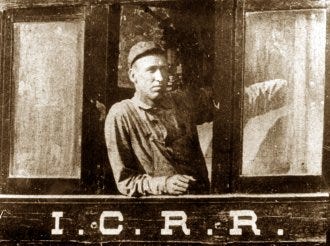
The real Casey Jones, a railroad engineer, died in 1900 when his passenger train hit a stopped freight car. Thus began his status as a folk legend, and everyone from Johnny Cash to John Hurt to The Almanac Singers (Jones scabs on a union strike) have sung versions of his story. Harry Smith included Furry Lewis’s rendition on The Anthology.
In 1970, influenced by Dylan and The Band’s roots-reimaginings, the Dead recorded Workingman’s Dead and American Beauty, the dual albums that cemented their national audience and allowed for their incessant touring. This is my favorite moment in the Dead’s three-decade span, the group trading avant-rock for acoustic sets, “Dark Star” for “Dark Hollow.”
A gem from this moment: “The Ballad of Casey Jones.” Jerry sounds like Mississippi John Hurt, his voice down-home, his fingerpicking intimate.
“I’ve Been All Around This World” / “Hang Me, Oh Hang Me.”
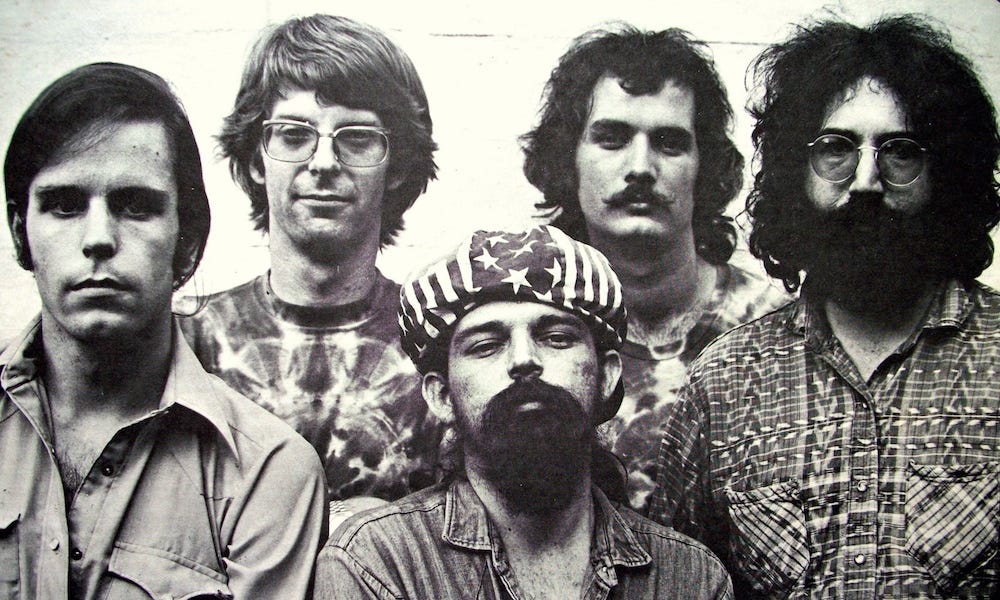
I first heard “Hang Me” via Llewyn Davis and then Dave Van Ronk. Well, Garcia sings it too. Whether in the Hart Valley Drifters, Mother McCree’s Uptown Jug Champions, or, I’m sure, countless other configurations, Jerry played various instruments in trad groups before the Dead were formed. He knows the standards and then some.
Again from 1970, Jerry croons a version of “I’ve Been All Around This World.” I once read that he sings slow better than anyone else. I wouldn’t go that far, but there is something earnest, something soothing about his non-traditional delivery. Listen as he almost offhandedly mutters “Lord, Lord” before the title line. It just works.
“Don’t Ease Me In” / “Don’t Leave Me Here”
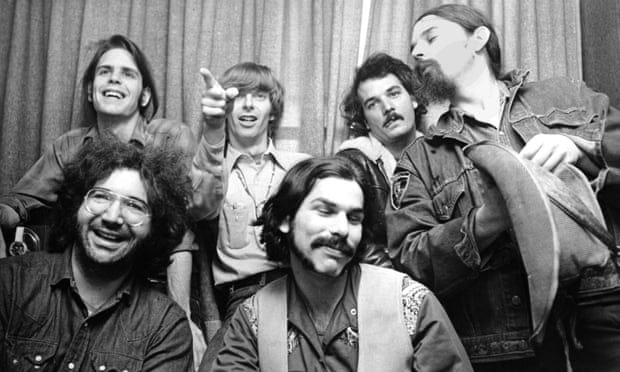
More than nearly any other 1920s roots musician, Henry Thomas seems to appeal to an audience not necessarily disposed to old American music. “Fishing Blues” never fails to put me in a good mood. Dylan riffed on his “Honey, Won’t You Allow Me One More Chance” on Freewheelin’ (and here, live in ‘63). And the Dead adapted Thomas’s “Don’t Leave Me Here” into their “Don’t Ease Me In.”
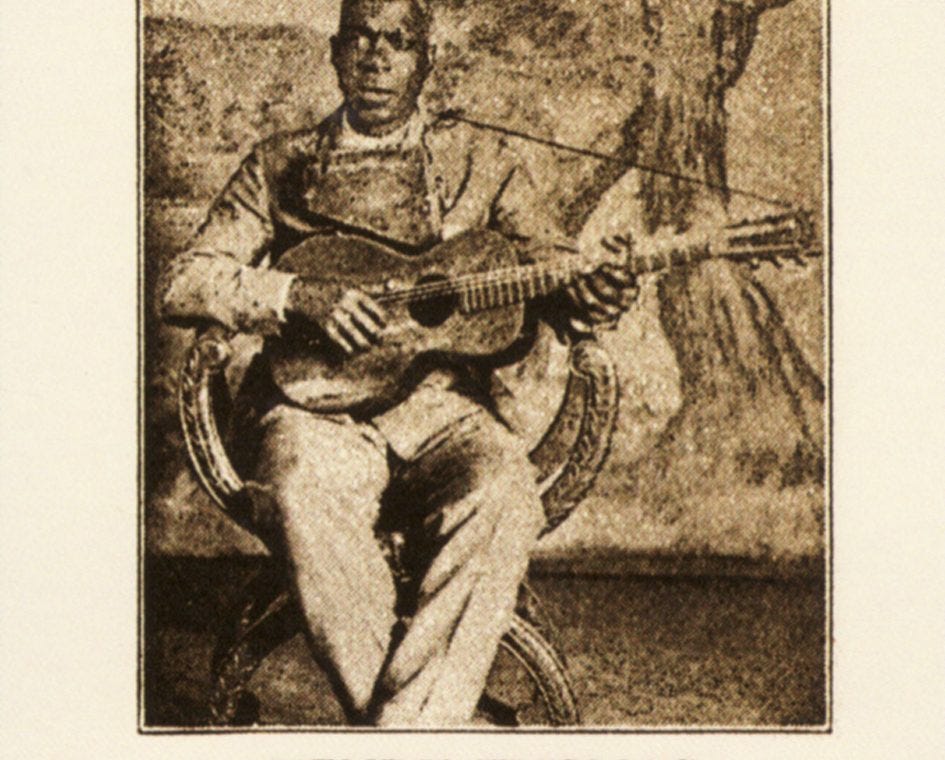
Listen as the Dead kick off their legendary acoustic 1970 Harpur College show with “Don’t Ease Me In.” Pigpen brings the blues with his harmonica, and you can hear Jerry scatting behind him. Yips and yells from the band keep the energy as high as any electric set.
Spotify, Apple Music (skip to 1:40 to miss the banter).